2026-10-15 ·
What Affects Water Damage Repair Costs in Older Chatsworth Homes
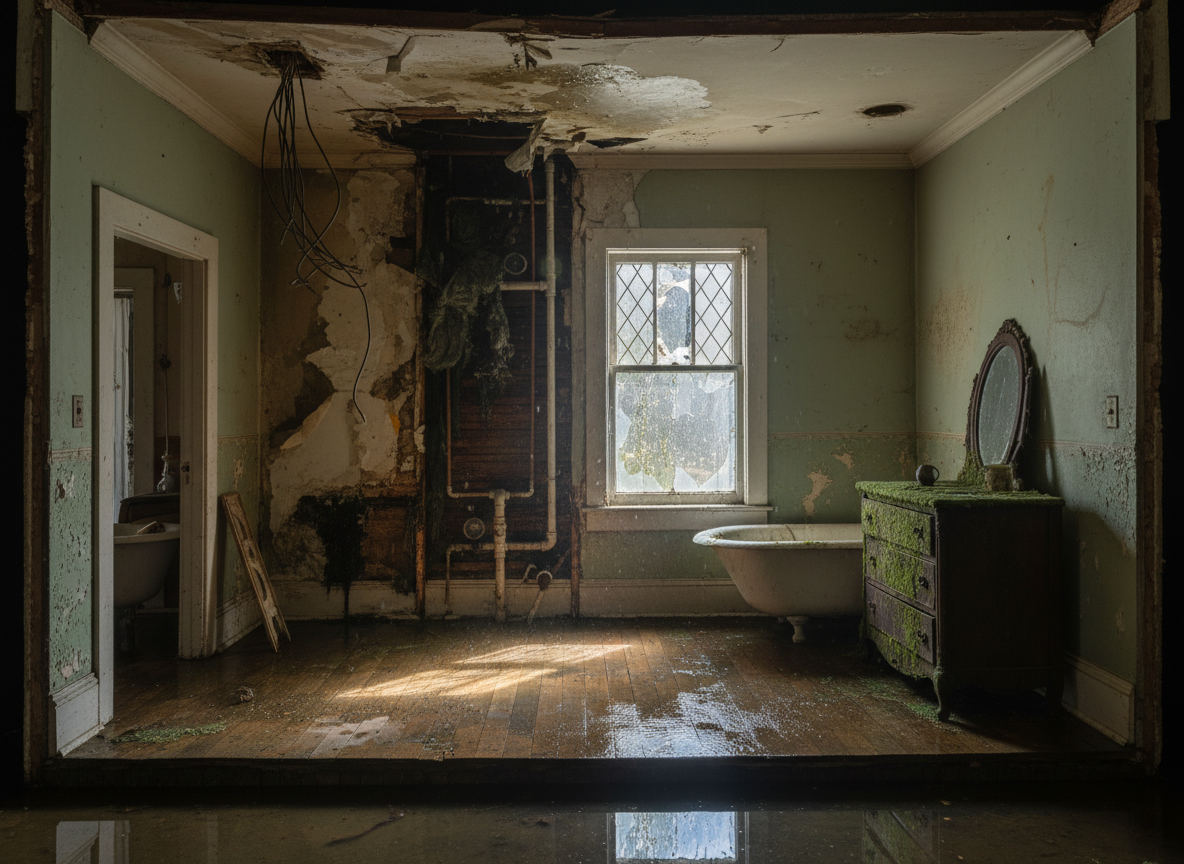
Water damage repair costs in older Chatsworth homes typically range from $3,000 to $12,000 for common incidents, scaling higher when plaster walls, outdated copper lines, or foundation exposure are involved. These ranges reflect the realities of mid-century housing stock in Los Angeles County where many properties predate modern waterproofing standards. Local conditions such as the Mediterranean climate with hot dry summers followed by concentrated winter rains accelerate wear on roofs and grading around homes near Chatsworth Park South and Orcutt Ranch.
Home Age and Construction Materials
Homes built before 1970 in Downtown Chatsworth and West Chatsworth often contain plaster-over-lath walls and single-wall construction that absorbs water differently than modern drywall. Removing and replacing these materials adds labor hours because crews must work in smaller sections to avoid structural compromise. Original cast-iron or galvanized pipes, common in this housing stock, corrode from the inside and create pinhole leaks that travel along joists before detection. Repair teams frequently encounter layered flooring from multiple renovations, each layer requiring separate drying and disposal steps that increase both time and disposal fees. The terrain around Santa Susana Pass State Historic Park properties can channel runoff toward foundations during rare heavy rains, forcing additional excavation work not needed in newer subdivisions.
Impact of Local Climate and Seasonal Patterns
Chatsworth’s Mediterranean climate produces long dry periods that mask slow leaks until winter storms arrive. When rainfall concentrates in a few weeks, water migrates under stucco exteriors and into crawl spaces of homes near Chatsworth Park. Older grading around these properties often lacks modern French drains, so moisture lingers against stem walls and raises repair scope from surface drying to full perimeter mitigation. Nearby Simi Valley and Canoga Park share similar patterns, yet Chatsworth’s hillside lots experience faster water movement that can reach living spaces within 48 hours. Crews adjust extraction equipment placement and monitoring schedules to account for these micro-climate differences rather than applying uniform drying protocols.
Plumbing and Hidden System Factors
Many older Chatsworth residences still rely on original supply lines that run through walls and under slabs. A single failed joint behind a bathroom can affect multiple rooms because the layout funnels water along load-bearing beams. Technicians must trace moisture with meters rather than visual inspection alone, adding diagnostic time before any drying begins. Properties in Northridge-adjacent pockets of Chatsworth frequently show repeated leaks at the same shut-off valves due to mineral buildup from local water hardness. Addressing the source during water leak restoration prevents recurrence but requires coordinated plumbing work that extends the overall project timeline and cost.
Scope of Damage and Required Mitigation Steps
When water reaches subflooring or insulation in older homes, crews must remove more material to reach dry standards. This step often includes negative-air machines and antimicrobial applications to prevent mold in cavities that cannot be fully opened. Water damage mitigation protocols in these structures emphasize incremental drying checks every 24 hours because plaster retains moisture longer than drywall. Homeowners near West Chatsworth who delay extraction see costs rise once drywall begins to delaminate and requires full replacement instead of spot repairs. Checking for hidden leaks after heavy rains in Chatsworth remains a practical next step for any property showing ceiling stains or musty odors.
Practical Steps for Cost Control
Documenting the initial water source and extent with dated photos helps limit scope disputes later. Scheduling extraction within the first four hours reduces secondary damage that multiplies expenses. Owners of homes near Orcutt Ranch benefit from pre-winter grading inspections to divert runoff before it reaches foundations. When damage spans multiple rooms, phased drying plans keep daily equipment rental costs predictable. Residents in adjacent areas such as Northridge follow the same sequence yet encounter slightly different soil conditions that affect how quickly moisture migrates.