2026-10-15 ·
Protecting Foundations During El Niño Winters in Chatsworth
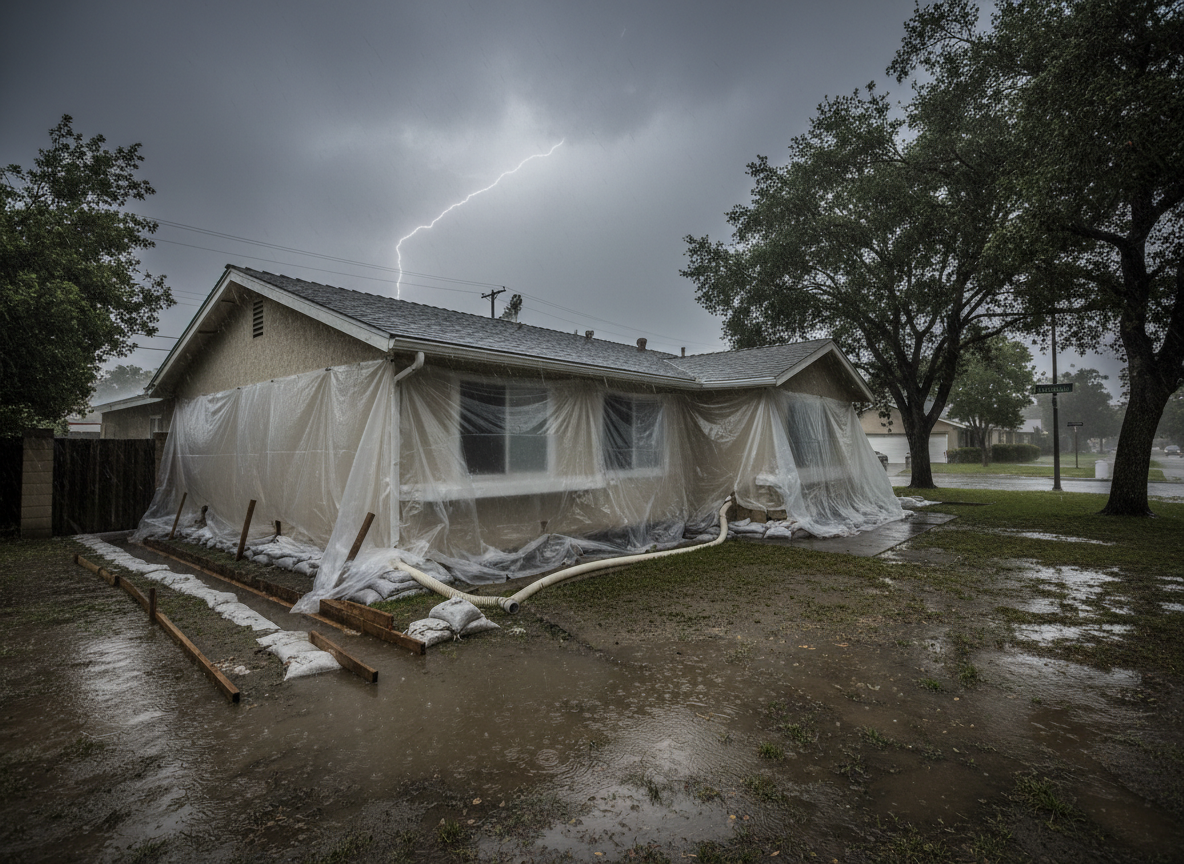
El Niño winters increase foundation risks in Chatsworth when 8–15 inches of extra rain saturates the local clay-loam soils, causing 1–3 inches of seasonal movement in homes built before 1970 if drainage fails around properties near Santa Susana Pass State Historic Park or Orcutt Ranch.
Soil Saturation Patterns in Chatsworth During El Niño
Chatsworth’s Mediterranean climate normally delivers mild winters with 12–18 inches of rain, yet El Niño events push totals above 30 inches and concentrate downpours over 48-hour periods. The resulting water pools against stem walls in older single-story ranch homes common throughout West Chatsworth and Downtown Chatsworth. Clay content in the soil expands when wet and contracts during the subsequent dry spells, exerting lateral pressure that can crack footings 12–18 inches below grade. Properties bordering Chatsworth Park South see additional runoff from the park’s slopes that funnels directly toward foundation perimeters. Homeowners who grade soil 6 inches away from the house within the first 10 feet reduce standing water duration by half compared with flat lots. Checking downspout extensions after each storm prevents water from re-entering the soil within 5 feet of the foundation line.
Early Signs of Foundation Stress After Heavy Rains
Visible cracks wider than 1/8 inch that appear or widen after storms signal movement in Chatsworth’s pre-1980 homes. Doors that begin to stick or gaps forming between baseboards and floors often trace back to soil expansion under the slab. In neighborhoods near Northridge and Canoga Park, stucco exteriors can show stair-step cracking at corners when footings shift. Checking crawl spaces for new moisture stains on joists within 48 hours of a downpour catches problems before mold sets in. Documenting crack widths with dated photos every two weeks during the rainy season provides a clear record of progression for any later professional evaluation.
Drainage Adjustments That Protect Foundations
Installing or extending French drains along the uphill side of lots in Chatsworth Park reduces hydrostatic pressure on retaining walls and foundations. Re-sloping driveways and patios so water flows toward street gutters rather than the house prevents 40–60 gallons of water per storm from soaking the soil adjacent to the footing. Clearing debris from area drains at Orcutt Ranch-adjacent properties before November keeps flow rates at design capacity during peak El Niño events. Adding 4-inch pop-up emitters at least 10 feet from the structure moves roof runoff beyond the influence zone of most foundations.
When Professional Water Damage Mitigation Becomes Necessary
Persistent moisture readings above 18 percent in sill plates after three consecutive dry days indicate the need for extraction equipment that homeowners cannot supply. Water damage mitigation crews use moisture meters and thermal imaging to locate water trapped under slabs common in older Chatsworth construction. Checking for Hidden Leaks After Heavy Rains in Chatsworth outlines the inspection sequence that follows major storms. When water reaches the crawl space, crawl space mold removal prevents secondary damage that can affect structural members. Residents in Simi Valley and Porter Ranch facing similar soil conditions often coordinate with the same 24/7 team at 21701 Devonshire St, Chatsworth, CA 91311 for rapid response.